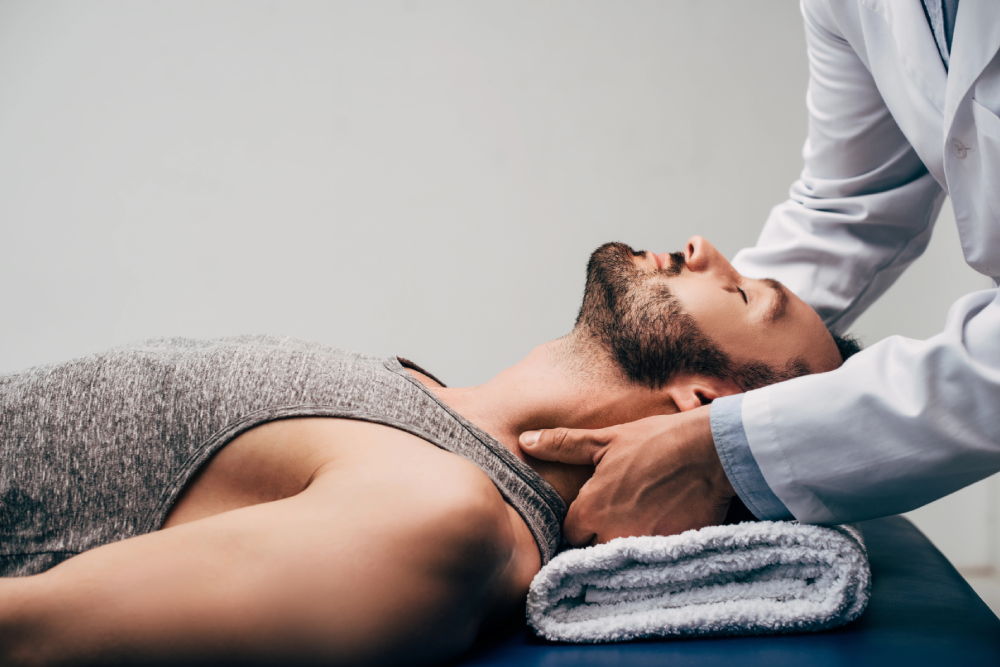
Modern chiropractic combines hands-on care with rigorous scientific study. At Life Chiropractic College West, you gain the skills to be a chiropractor through early clinical exposure, mentored laboratory work, and real patient interactions.
From the beginning, concepts connect directly to cases. You test, analyze, and act with growing confidence. Our Doctor of Chiropractic curriculum links anatomy to practical outcomes, while experience in the health center strengthens judgment, accuracy and communication in real settings.
Diagnostic Reasoning That Finds the Root Issue
Training begins with a focused history and a systematic exam that helps you organize information clearly. As patterns emerge, you connect symptoms with motion restriction, neurological signs, and lifestyle factors. This approach supports logic-driven decisions and helps you rule out red flags with confidence.
Throughout the doctor of chiropractic program, mentors guide case synthesis step by step while structured notes translate observations into decisions. Complex complaints turn into clear hypotheses and practical care plans.
Imaging Literacy for Safer, Smarter Care
Imaging is introduced as a tool that adds clarity when used at the right time. You learn to read plain films with precision and build pattern recognition through frequent analysis.
At the Hayward Imaging Center, on-site X-ray and reports are part of everyday learning, and instruction on MRI and CBCT helps connect imaging findings with physical exam results rather than relying on pictures alone. These experiences create a grounded, realistic understanding of how imaging supports clinical decisions.
Spinal Adjustment Mastery Across Techniques
Technique training focuses on diverse and widely used approaches. You learn to work with setup, line of drive, and tissue slack while developing control, speed, and safety.
Faculty refine hand placement and body mechanics until each adjustment becomes more precise. In supervised health center care, choices are matched to anatomy and patient goals, reinforcing specificity and accuracy.
Extremity Assessment and Correction
Training expands beyond the spine to include joints in the shoulders, hips, knees, feet, wrists, and elbows. Joint play, muscle balance, and kinetic chain dynamics are explored to understand how each region contributes to overall movement.
Under mentorship, you pair stabilization strategies with extremity corrections and practice taping, bracing, and follow-up evaluations. This supports better movement for athletes, workers, and active adults.
Soft-Tissue Methods That Reduce Guarding
Soft-tissue work begins with an understanding of trigger points, fascial glide, and periarticular restriction. You apply graded pressure that respects patient tolerance and helps prepare joints for smoother adjustments.
Instruction covers situations where instrument assistance or pin-and-stretch may enhance results. Health center sessions demonstrate how soft-tissue methods support mobility gains.
Rehab Planning That Builds Durable Function
Rehabilitation emphasizes straightforward, structured plans that patients can implement at home. Posture, breathing, core control, and region-specific activation are addressed while progress is monitored through repeatable assessments.
Coursework links exercise selection directly to underlying pain drivers, and adjustments in intensity or frequency are guided by patient response. This approach equips patients with clear strategies to maintain improvements between visits.
Communication That Builds Trust and Follow-Through
Effective communication reduces patient fear and supports adherence to care plans. Clear explanations, plain language, visual aids, and brief demonstrations help convey key concepts. Questions are encouraged, and understanding is confirmed to strengthen collaboration.
In the clinic, goal setting and shared decision-making are emphasized, while risks and alternatives are discussed with clarity. Documentation is organized so patients can reference it later, so that conversations translate into better outcomes.
Evidence Appraisal for Everyday Decisions
Research literacy is woven into case discussions and patient encounters. You practice reading studies, weighing design and relevance, and applying findings thoughtfully. Outcome measures support everyday clinical choices, helping you ask useful questions and track results. This habit keeps care current and grounded.
Practice Readiness Through Early, Mentored Immersion
Clinical experience begins early and expands under supervision. Scheduling flow, documentation standards, and safe patient throughput are introduced progressively.
In the final year, preceptorships provide exposure to busy practices and diverse patient populations. Efficiency and empathy develop together, preparing students for the demands of practice from day one.
How Campus Resources Strengthen These Skills
Two campuses bring distinct advantages. The Bay Area setting connects you with diverse cases and rich professional networks. Nebraska offers a low student-to-teacher ratio and strong community ties.
Both locations anchor learning in our health center system. You gain consistent patient volume and close mentorship. The same standards and culture of service guide each site.
From Classroom to Clinic – A Continuous Loop
Laboratory instruction is closely integrated with live patient care to reinforce learning. Concepts introduced in morning lectures, such as lumbopelvic assessment, are applied in afternoon clinical sessions under mentor supervision.
This continuous cycle of assessment, action, re-assessment, and adaptation fosters responsive care and builds confidence while encouraging flexibility and critical thinking, rather than reliance on a single approach.
Documentation and Case Management You Can Use Tomorrow
Clear, well-organized notes support continuity of care and meet professional standards. Measurable baselines are recorded, and patient progress is carefully tracked. Templates streamline workflow while encouraging critical thinking, and supervisors provide timely feedback to maintain accuracy that benefits both patients and the clinical team.
Community Service That Deepens Clinical Judgment
Service trips expose you to different health needs and resource constraints. You learn to stay calm, innovate within standards, and respect cultural context. Observation, adaptability, humility, and gratitude are strengthened, and many students describe these moments as pivotal in defining their professional purpose.
Academic Pathways That Anchor Growth
Core sciences, technique labs, and clinical experiences form an integrated pathway rather than separate silos. Anatomy informs palpation, biomechanics guides adjustments, and outcomes data shape clinical progression.
Advisors help with time milestones and preceptorships. You can see where you stand and what to strengthen next. Our doctor of chiropractic curriculum keeps you moving forward with clarity.
Access Points for Learning and Care
Prospective students can review program details, entry terms, and application steps through the Doctor of Chiropractic portal. Current and prospective patients access services, hours, and imaging information through the health center pages.
These pathways intersect daily, linking education with patient care and creating an environment where learning and service reinforce one another.
Your Next Step
If you want a structured route to the skills to be a chiropractor, look closely at how training meets patients early and often. Visit our health center to see care in action.
Explore the doctor of chiropractic pathway to map your timeline, prerequisites, and goals. You can also start an application directly through our Doctor of Chiropractic portal.