
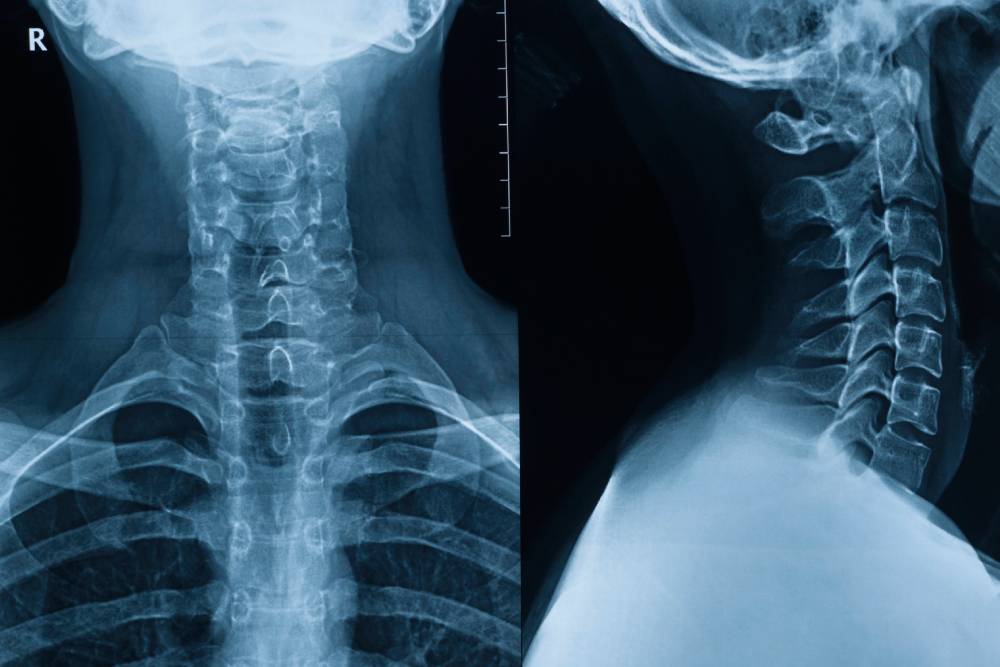
If you’re exploring the field of chiropractic, you may be wondering how imaging fits into a hands-on, adjustment-based profession. One of the most common questions we hear from prospective students is how modern chiropractic programs use X-ray technology and why it still plays a meaningful role in patient care. At Life Chiropractic College West, on-site X-ray is a core part of our training model, and it supports both safety and learning.
Understanding how X-rays guide chiropractic decision-making helps you appreciate the precision behind this profession. When students ask about X-ray chiropractic techniques and how they are applied, we explain that imaging is not used for every patient. It can still be an important tool in the right circumstances.
A Key Part of Chiropractic History and Growth
X-ray technology has been connected to chiropractic since the early 1900s. Early chiropractors used radiographic images to study spinal alignment and understand how structure influenced function. Technology has progressed since then, but the purpose remains the same. It helps chiropractors see what cannot be detected with the hands alone.
Modern X-rays are faster, clearer, and more accurate than ever. At our college, we use digital systems that reduce exposure and help students review details with clarity that older images could not capture. This history gives students a deep sense of how chiropractic evolved and how imaging shaped the profession’s scientific foundation.
Why On-Site X-Ray Benefits Learning in a Chiropractic Clinic
Having an on-site X-ray facility in our Health Center gives students real-time experience with diagnostics. Instead of referring patients to an outside imaging center, we can evaluate and interpret images during the same visit. This faster workflow helps students understand how clinical decisions unfold.
When students adjust patients, they learn to connect what they see on an X-ray with what they feel through palpation. The combination of visual and tactile information strengthens their skill set. It also helps future chiropractors build confidence in their clinical reasoning, which is vital for effective patient care.
Supporting Safe, Accurate Chiropractic Adjustments
Chiropractic care is highly hands-on, and each patient’s spine is unique. On-site X-ray helps us identify structural variations that may influence the best approach to care. While not every patient needs radiographic imaging, it becomes valuable in situations involving past injuries, unusual posture patterns, or symptoms that suggest deeper issues.
Life Chiropractic College West uses X-rays to gather factual information before students make decisions about care. This contributes to safe practice and helps students refine their understanding of biomechanics. When students see how spinal alignment, disc spacing, or joint motion appear on imaging, they learn how to tailor adjustments more effectively.
Building Diagnostic Skill Before Entering Practice
A skilled chiropractor must approach each case with the mindset of a diagnostician, and imaging plays an important role in developing that perspective. When students work with X-rays during their training, they gain experience that many practitioners encounter only after several years in the field.
Students learn how to:
- Read and interpret spinal films
- Identify patterns linked to pain or movement issues
- Rule out conditions that require medical referral
- Match findings with the chiropractic techniques they will use in practice
These skills create graduates who feel prepared to walk into a clinic and handle complex cases with confidence. On-site imaging becomes an educational advantage because students gain exposure to a wide range of real patient presentations before graduation.
A Learning Tool That Connects Theory and Application
Chiropractic education includes a detailed study of anatomy, neurology, and biomechanics. X-ray imaging allows students to connect what they learned in the classroom to what they see in the clinic.
When students study the cervical spine, they review details related to spinal curves, joint angles, and alignment principles. Observing these same structures on an X-ray makes the material tangible and reinforces understanding. This connection strengthens their ability to apply chiropractic techniques with accuracy and confidence.
Life Chiropractic College West guides students in examining how imaging relates to posture, range of motion, and neurological indicators. This multi-layered method supports the development of sound clinical judgment.
Why X-Ray Belongs in a Modern Chiropractic College
Some may believe that chiropractic education is moving away from X-rays. Our experience consistently shows that practitioners who understand imaging are better prepared for clinical decision-making. On-site facilities give students a supervised, real-world setting where they can determine when X-rays are appropriate, interpret findings responsibly, and integrate imaging with hands-on care.
Keeping this technology on campus supports a complete chiropractic education rooted in scientific study, anatomical knowledge, and thoughtful patient-centered practice.
What On-Site X-Ray Means for Future Chiropractors
On-site X-ray plays a meaningful role in chiropractic training, and it gives students the opportunity to develop strong diagnostic skills before entering the field. At Life Chiropractic College West, we integrate imaging into our clinic experience so students can grow as confident, knowledgeable practitioners.
If you want to learn how chiropractic blends hands-on care with modern tools like X-ray, we invite you to explore our program. Take the next step toward your future in chiropractic and discover how x-ray chiropractic knowledge elevates clinical readiness.